

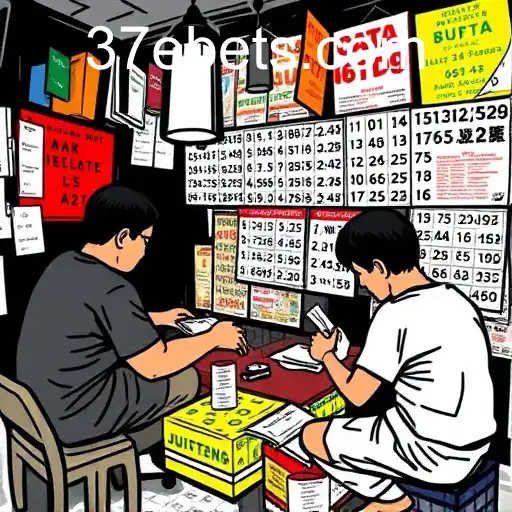
Understanding Jueteng: A Closer Look at its History and Impact
The world of illicit gambling is vast and varied, with numerous games and activities that have captured the fascination of societies across the globe. In the Philippines, one such game is Jueteng, a traditional numbers game with deep historical roots and significant socio-economic impact. Despite being illegal, Jueteng continues to thrive, posing considerable challenges to both law enforcement and policymakers.
The Origins and Mechanics of Jueteng
Jueteng originated during the Spanish colonial period in the Philippines. Its name is derived from the Spanish word "juego" which means "game." This lottery-like game involves bettors choosing a combination of numbers, typically ranging from 1 to 37, leading to an urban myth that includes the keyword "37e." Bettors place their wagers with a "cobrador," a person who collects bets.88sorte
Draws are usually conducted twice daily, with winning numbers determined randomly. The appeal of Jueteng lies in its simplicity and accessibility. Bets can be as low as one peso, making it an attractive option for a significant portion of the population, particularly those from lower socio-economic backgrounds. This widespread participation contributes to the significant sums collected daily, despite its illegal status.
The Socio-Economic and Cultural Significance
Jueteng is more than just a game; it is a cultural phenomenon. For many in the Philippines, it represents a glimmer of hope amid economic hardship. The opportunity to convert a small bet into a substantial windfall is a powerful allure that transcends various stratum of society.
Despite the risks associated with illegal gambling, Jueteng has become entrenched in the daily life of many Filipinos. It has developed its own micro-economy, providing income for thousands of individuals from cobradores to "jubeters" (the financiers). This economic structure makes Jueteng a deeply rooted practice that is challenging to dismantle.
Government Efforts and Challenges in Eradicating Jueteng
Philippine authorities have long recognized the pervasive nature of Jueteng and its implications, particularly its role in fostering corruption. Various administrations have launched campaigns to eradicate it, employing a mix of crackdowns and legal alternatives like the Philippine Charity Sweepstakes Office’s Small Town Lottery (STL) in a bid to offer a regulated counterpoint.88sorte
However, these measures often struggle due to the deeply ingrained nature of Jueteng in Filipino culture and economics. Systemic corruption also plays a role, with reports suggesting that some law enforcement officials are either complicit or actively participate in Jueteng operations. This situation is exacerbated by powerful individuals who use their influence to protect the operations, drawing political and judicial challenges.saque
The Resilience of Jueteng Amidst Modernization
Despite advancements in technology and shifts in gambling preferences, Jueteng remains resilient. Its grassroots appeal and the human element of personal interaction through cobradores ensure its continued relevance. Efforts to digitize gambling have not significantly impacted Jueteng, mainly due to its social aspect and its embeddedness in local communities.
The game's resilience is also linked to its ability to adapt and endure economic fluctuations. During times of financial crises, participation often spikes as more individuals are drawn by the prospect of instant financial relief. Jueteng thus becomes a barometer of economic distress, reflecting the broader societal issues facing the nation.saque
Policymaking and the Future of Jueteng
The fight against Jueteng requires more than just prohibition and raids; it necessitates a fundamental shift in approach and policy. Lawmakers face the daunting task of addressing the root causes that drive people toward such illicit activities, including poverty and lack of economic opportunities.saque
Successful interventions might require integrating comprehensive socio-economic reforms that provide sustainable livelihoods to those currently dependent on the Jueteng economy. This could involve job creation programs, improved access to education, and robust community development initiatives.
Furthermore, increasing awareness and education about the potential harms associated with gambling could help foster a societal shift in perspective. Coupled with technological innovation in regulatory frameworks, these efforts might diminish Jueteng's grip on Filipino society.
Conclusion
Jueteng's enduring presence in the Philippines is a testament to its complex role within society. While it offers economic benefits and hope to many, it also perpetuates cycles of corruption and societal issues. Understanding Jueteng’s intricacies allows for more informed approaches in crafting solutions that respect cultural contexts while aiming for societal betterment. As the country continues to grapple with this challenge, the story of Jueteng remains an insightful reflection on the broader dynamics at play in the Philippines.